
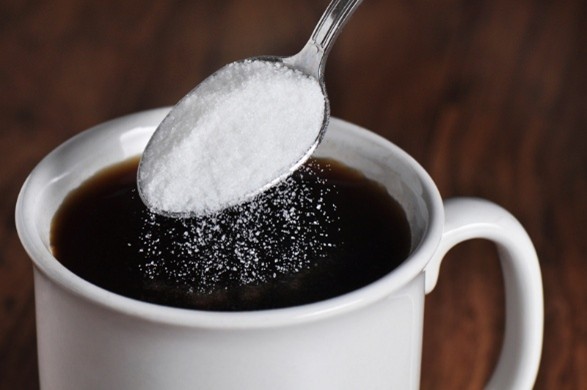
Most Americans consume too much sugar. At its most basic, sugar is a simple carbohydrate and a primary source of energy. However, many widely available foods and beverages contain added sugar.
Natural sugars are found in whole, unprocessed foods such as fruit, yogurt and other dairy products, maple syrup, vegetables and honey. Added sugars are incorporated during food processing. These include sweeteners, sugars made from syrups and honey, and sugars from concentrated fruit or vegetable juices.
You may not realize many of the foods and drinks you consume daily contain high levels of added sugar, which adds calories and provides no nutritional benefit.
Examples of foods that contain added sugars include:
- Sugar-sweetened beverages
- Candy
- Cookies, brownies, pies and cakes
- Ice cream
- Bread, rolls and pastries
- Cereals
- Granola bars
- Condiments and salad dressings
- Soups
- Pizza
It is important to read nutritional labels and ingredient lists if you want to reduce your intake of added sugar. When reviewing a Nutrition Facts label, check the total sugars. This amount includes both natural and added sugars. Beneath total sugars, you will find a line for added sugars, which shows how much sugar was added during processing.
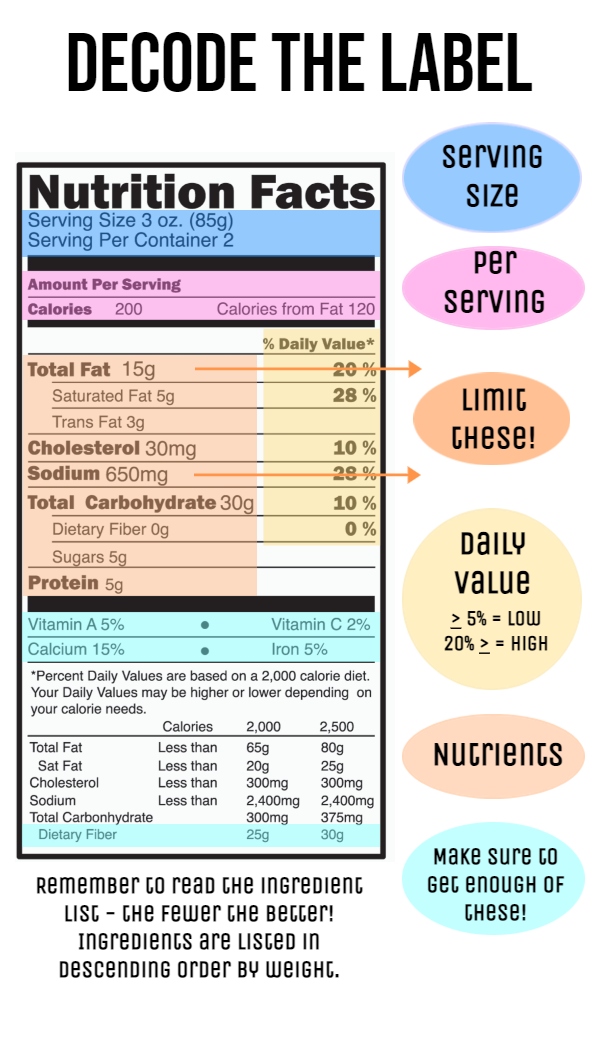
To determine whether a food is high or low in added sugar, look at the percent Daily Value. A food with 5% DV or less is considered low in added sugars, and 20% or more is considered high. The Dietary Guidelines for Americans recommend limiting calories from added sugars to less than 10% of total daily calories.
Consuming too much sugar can lead to weight gain and increase your risk of health problems such as heart disease, high blood pressure, inflammation, cancer and Type 2 diabetes. The American Heart Association suggests women consume no more than six teaspoons of added sugar per day and men no more than nine teaspoons per day. The most effective way to control added sugar intake is to read nutrition labels on foods and beverages. Avoid ingredients such as:
- Corn syrup
- Corn sweetener
- High-fructose corn syrup
- Malt sugar
- Syrup or sugars ending in “ose,” such as dextrose, fructose, glucose, lactose and sucrose
- Table sugar
- Agave nectar
- Brown sugar
- Processed fruit sugars such as fruit concentrates or fruit nectars
If you want to shake sugar habits, make it a practice to read nutrition information before purchasing food. Limit processed foods and sugary beverages. Choose foods that naturally contain sugar, such as dairy products, fruits and vegetables.
Eating protein, healthy carbohydrates and healthy fats can help you feel full and stabilize blood sugar. Small steps you can take today include swapping soda for unsweetened tea or sparkling water with herbs or fruit, flavoring coffee with vanilla, cinnamon or coconut milk instead of sugar, and choosing dates, frozen bananas or berries dusted with cocoa powder for dessert.
You can do it!
Most Commented