
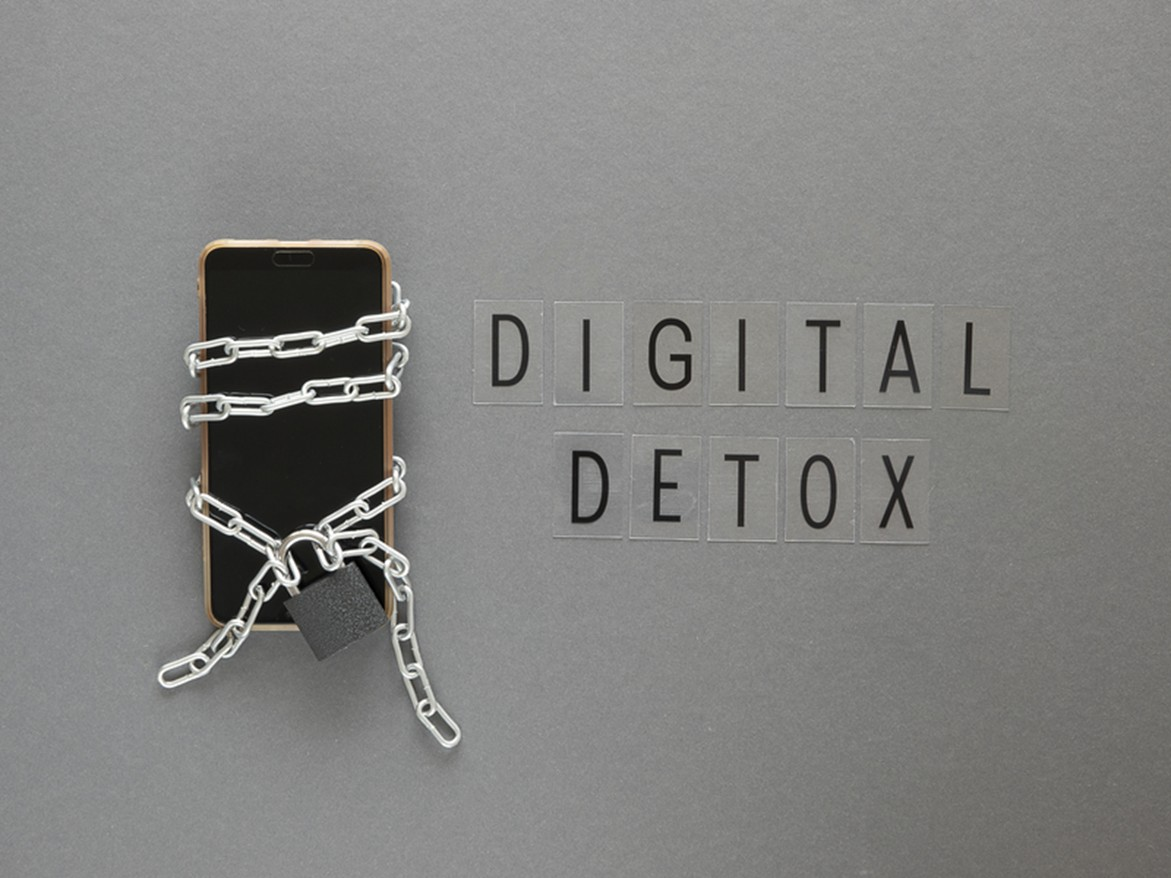
As we navigate life in a digital society, we often overlook the impact that screen time can have on our health. According to Consumer Affairs, 98% of Americans own a mobile phone, and the average American spends four hours and 30 minutes on their phone each day. That adds up to nearly a full day of phone use each week — and that doesn’t even include television, computer work or other screen time!
A digital detox is defined as a “period of time during which a person refrains from using their electronic devices, such as smartphones, regarded as an opportunity to reduce stress or focus on social interaction in the physical world” (Oxford Dictionaries, 2019). Considering the effects prolonged screen time can have on our health and wellbeing, a digital detox may be worth trying.
While there are no official guidelines for digital detoxes, most experts agree that generally reducing screen time can be beneficial. Detoxing from screens can offer several advantages, including:
- Increased productivity by making better use of time typically spent scrolling
- Improved mood, with less stress or emotional triggers from online content
- Better sleep, since blue light from screens can disrupt circadian rhythms
- Enhanced self-esteem and reduced insecurity, as social media comparisons can negatively affect wellbeing
If you find yourself spending extensive time on screens each week, here are some ways to create a personal digital detox:
- Designate “screen-free” areas in your home
- Set time limits for social media apps on your phone
- Schedule “downtime” in your phone settings to restrict usage
- Avoid bringing your phone to bed to limit late-night use
- Leave your phone at home when it isn’t needed
- Use blue-light-blocking glasses if screen time is necessary
Like all things, balance is key. Younger generations who grew up with social media and streaming platforms may experience a dip in mood with a full digital detox, as these platforms can help them feel connected and informed. The important thing is to find what works best for you. Start with a small digital detox goal and adjust your screen use over time to achieve a healthy balance that fits your lifestyle.
Most Commented